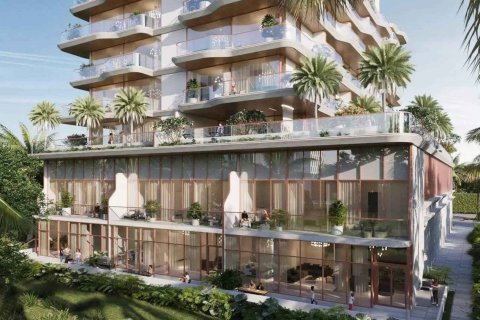





Foreigners can buy property in all four countries, but not everywhere and not on the same terms. Purchases are allowed mostly in zones set in advance: resort complexes, new cities and selected districts. Within a zone, the right to a property takes different forms: full ownership with no time limit, or use for up to 99 years. The type of right decides whether you can sell the property, pass it on by inheritance and what happens when the term ends. Since 22 January 2026, a law has been in force that opened the Saudi market to foreign buyers. This article sets out the rules for each country and how to check a property before paying.
Residence permits are covered in separate articles: Saudi Arabia, Qatar, Oman and Bahrain. This article looks at where and on what terms you can buy the property itself. Residence through a property purchase is described in the article on how much do you need to invest in property to get residency in the Gulf States, taxes and fees in the article on what taxes and fees does a foreigner pay when buying and owning property, and bank accounts and transfers in the article on where to pay for property in the middle east, and do you need a local account.
Content
What rights a foreigner gets
In the Gulf states, the word "buy" covers different legal rights. The type of right decides whether you can sell the property, pass it on by inheritance and what happens when the term ends.
| Right | What it means | Term |
|---|---|---|
| Full ownership (freehold) | The property and the land under it belong to the buyer | No time limit |
| Usufruct | A registered right to hold and use the property; the land stays with the state or another owner | Usually up to 99 years |
| Long-term lease (leasehold) | The right to use the property under a lease agreement | Set by the contract |
In a contract or a project's marketing, all three can be called a "purchase". The document that confirms the right is the title deed, a certificate of ownership issued by the state register. It shows exactly which right the buyer receives.
Saudi Arabia
The law on property ownership by non-Saudis was approved in July 2025 and came into force on 22 January 2026. The law is administered by the Real Estate General Authority (REGA).
Under the law, the following may own property:
- foreign individuals, both residents and non-residents;
- foreign companies and investment funds;
- Saudi companies with foreign shareholders;
- diplomatic missions and non-profit organisations, on a reciprocal basis.
The law allows not only full ownership but also long-term leases, usufruct and easements. An easement is a right to limited use of someone else's land, for example for passage or access.
Purchases are possible only in zones determined by the Council of Ministers on REGA's proposal. For each zone, the Council sets the permitted rights, the maximum share a foreigner may hold, the maximum usufruct term and the conditions of acquisition. Riyadh and Jeddah are named among the first zones. Check the exact list on the REGA website on the date of purchase.
According to legal commentaries, foreign residents may own one residential property for personal use outside the zones. The conditions should be confirmed with REGA.
Makkah and Madinah have a separate regime: ownership there is largely restricted to Muslims and governed by separate rules.
A foreign owner's rights are recorded in the national property register. Breaches of the law carry fines of up to SAR 10 million (about $2.7m) and compulsory sale of the property.
Qatar
A foreigner's rights in Qatar are set by Law No. 16 of 2018 and Cabinet Decision No. 28 of 2020. In 2026 the decision was amended by Resolution No. 21. Two regimes are available to a foreigner.
Full ownership is available in zones that include:
- West Bay (Legtaifiya);
- The Pearl island;
- Lusail;
- Al Dafna;
- Onaiza;
- Al Khor Resort;
- Al Kharayej;
- Jabal Thuaileb;
- Simaisma.
Usufruct for up to 99 years is available in districts of Doha that include Msheireb, Al Sadd, Najma, Doha Al Jadeeda and Rawdat Al Khail.
One district can combine both regimes. In Al Dafna and Onaiza, some projects give full ownership and others give usufruct, so the type of right is checked for each property. Transactions are registered by the Real Estate Registration Department at the Ministry of Justice.
"Two neighbouring towers in one district can give different rights: in one the buyer gets full ownership, in the other the right to use the property for 99 years. That is why the first thing to look at is the document, not the project," says a property lawyer from Doha.
_480x320.jpg)
_480x320.jpg)
_480x320.jpg)
_480x320.jpg)
Oman
A foreigner's main route is the integrated tourism complexes (ITCs). These are resorts built to a master plan and licensed by the Ministry of Heritage and Tourism. In them, nationals of other countries, whatever their nationality, may own plots and properties. The legal basis is Royal Decree No. 12 of 2006 and its implementing regulations. Examples include Al Mouj Muscat, Jebel Sifah, Muscat Bay and Hawana Salalah.
The standard right in an ITC is full ownership. But not every project inside a complex sells it: some developers offer foreigners only usufruct or a lease. The type of right is confirmed in the contract and in the title deed.
Outside the ITCs, in June 2026 the Ministry of Housing named several more areas where foreigners may own property:
- Sultan Haitham City;
- Al Thuraya City;
- Al Jabal Al Aali;
- the Surooh residential district.
The ministry did not say which right is offered to foreigners there, so the type of right should be established with the developer and in the register.
Bahrain
A foreigner can buy a property in full ownership in the investment zones. These include, in particular, Amwaj Islands, Juffair, Seef, Bahrain Bay, Diyar Al Muharraq and Reef Island. The list of zones is being extended. Outside these zones, a foreigner can only take a long-term lease, and in some cases buying is not possible at all.
The contract is notarised and registered with the Survey and Land Registration Bureau (SLRB). The same bureau confirms whether a given property lies within an investment zone. If the property is outside a zone, the buyer will receive only a lease, even if the seller calls the deal a purchase.
Comparing the countries
| Country | Where buying is allowed | Main right | Where to check |
|---|---|---|---|
| Saudi Arabia | Zones set by the Council of Ministers; special regime in Makkah and Madinah | Ownership, lease or usufruct, depending on the zone rules | REGA |
| Qatar | Full-ownership zones and usufruct zones | Ownership or usufruct for up to 99 years | Ministry of Justice |
| Oman | ITCs and areas named by the ministry in 2026 | Mostly ownership in ITCs; usufruct or lease in some projects | Ministry of Housing |
| Bahrain | Investment zones | Full ownership | SLRB |
How to check a property before buying
The procedure is the same in all four countries:
- Ask the seller for the plot or cadastral number of the property and the name of the zone.
- Check the zone against the official list: REGA in Saudi Arabia, the Ministry of Justice in Qatar, the Ministry of Housing in Oman and SLRB in Bahrain.
- Establish the type of right (full ownership, usufruct or lease) and its term.
- Make sure the project is licensed and the developer is entered in the register.
- Check that the right will be registered in your name and that you will receive a title deed.
- Find out the terms for resale and for passing the property on by inheritance: for usufruct and lease they differ from full ownership.
Before signing the contract, it is worth showing the documents to a lawyer who works in the country of purchase.
Choosing property in Saudi Arabia
-
$ 299 000

-
$ 470 000

-
$ 1 140 000

-
$ 1 600 000



Who should not buy
- Those who need land in unrestricted ownership. In usufruct and lease zones the land stays with the state or another owner.
- Those who plan to sell the property in 20 to 30 years. The term of a usufruct or lease shortens every year, and the resale price falls with it.
- Those who expect a residence permit to follow automatically from a purchase. That is a separate decision and depends on each country's rules. In Oman, an owner's residence permit ends if the property is sold.
- Those looking for property in Makkah and Madinah. The rules of ownership there differ from the rest of the country.
What changed in the rules in 2026
- On 22 January 2026, Saudi Arabia's law on property ownership by non-Saudis came into force. Foreigners gained the right to buy in zones set by the government.
- In 2026 Qatar amended Decision No. 28 of 2020, which sets foreigners' rights of ownership and usufruct. Check the list of zones with the Ministry of Justice.
- On 22 June 2026, Royal Oman Police Decision No. 87/2026 on residence permits for property owners came into force. It did not change the ownership zones: the ministry confirmed this on 29 June.
- Since 18 May 2026, Oman has had a new real estate register law. According to press reports, it may widen the ownership zones for foreigners, but the implementing regulations have not yet been published, so the existing zones apply until they are.
Frequently asked questions
Find property in the Middle East
Once you have chosen a country, browse the listings in the Middle-East.Realestate catalogue. Before choosing, check the zone and the type of right using the list above.